1. Introduction
1.1. Research Background
Traditional gender norms and societal expectations have long shaped perceptions of women’s roles, particularly in household management and partnerships. In many cultures, women are often presumed to possess specific behavioral and interpersonal qualities that supposedly make them more suitable for these roles
| [1] | Adams, R., & Lee, J. (2022): Gender Roles and Perceptions of Women's Leadership: A Community Study. Leadership Quarterly, 33(1), 101-116. |
[1]
. These qualities, such as compassion, patience, and cooperation, are frequently considered innate characteristics that contribute to women’s success in managing households and nurturing relationships
| [10] | CSA, Central Statistical Agency. (2021). Population and Housing Census Report: Oromia Region Highlights. Ethiopian Government Press. |
[10]
. However, these community perceptions are largely grounded in myths and stereotypes, rather than evidence-based research, which demonstrates that the traits leading to successful partnerships and household management are not solely confined to these assumed qualities
| [13] | EDHS, Ethiopian Demographic and Health Survey, (2021): National Demographic and Health Survey Report. Addis Ababa, Ethiopia. |
[13]
.
These stereotypes contribute to the widespread belief that women are naturally more nurturing and emotionally attuned than men
| [2] | Alemayehu, T. (2021). Changing dynamics in romantic relationships in Oromia: A study of Shashemene town's youth culture. Addis Ababa University Press. |
[2]
. From an early age, girls are socialized to embrace roles that emphasize care, patience, and empathy, traits deemed essential for household management and strong relationships
| [4] | Bekele, H., Tulu, S., & Abera, F. (2020). Gender roles and cultural norms in West Arsi Zone: Challenges and modern shifts. Journal of Ethiopian Social Studies, 15(3), 45-57. |
[4]
. Communities often view these qualities as inherently "female" attributes, perpetuating the idea that women’s primary value in a household or partnership lies in their emotional support and tolerance
| [3] | Amato, P. R., & Rogers, S. J. (1997): A longitudinal study of marital problems and subsequent divorce. Journal of Marriage and the Family, 59(3), 612–624. |
[3]
. However, this perspective frequently overlooks individual differences and places undue expectations on women to fulfill these roles. Such beliefs can obscure the recognition of other personality traits and skills that women possess, which are equally vital for successful partnerships and effective household management
| [20] | MoA, Ministry of Agriculture, Ethiopia, (2022): Agricultural Activities and Gender Involvement in Ethiopian Woredas. Addis Ababa, Ethiopia. |
[20]
.
The assumption that women are naturally inclined to handle household responsibilities often overshadows the competencies and skills required for managing a family or household
| [6] | Bianchi, S. M., Milkie, M. A., Sayer, L. C., & Robinson, J. P. (2000): Is anyone doing the housework? Trends in the gender division of household labor. Social Forces, 79(1), |
[6]
. For instance, societal beliefs about women’s patience and tolerance suggest that they are better equipped to handle interpersonal conflicts within the home. However, research indicates that conflict-resolution skills are learned and developed over time, irrespective of gender
| [17] | Johnson, L. (2020): Communication barriers faced by women. Communication Research, 37(1), 22-36. |
[17]
. Effective household management demands a broad range of skills, including communication, organizational abilities, and financial management. These skills are not inherently gendered; instead, they are cultivated through education, experience, and practice
| [5] | Bem, S. L. (1993): The Lenses of Gender: Transforming the Debate on Sexual Inequality. Yale University Press. |
[5]
. In many communities, culturally rooted beliefs about women’s appearance and behaviors significantly influence how women are perceived, particularly in domestic contexts
| [34] | World Bank. (2021): Gender and Economic Opportunities in Ethiopia: Closing the Gaps. World Bank Publications, Washington, D.C. |
[34]
. These perceptions, often based on myths rather than scientific evidence, can affect the value attributed to women’s roles in partnerships and family life
| [23] | Neff, K. D., & Germer, C. K. (2013): A pilot study and randomized controlled trial of the mindful self-compassion program. Journal of Clinical Psychology, 69(1), 28–44. |
[23]
.
Women’s physical appearance has long been a focal point in discussions about gender roles, with societal expectations dictating how women should look and behave
| [19] | Mayer, J. D., Salovey, P., & Caruso, D. R. (2016): Emotional Intelligence: Theory, Findings, and Implications. Psychological Inquiry, 11(2), 167-196. |
[19]
. Research has shown that women who adhere to conventional beauty standards are often perceived as more capable or worthy, while those who challenge these norms may face discrimination or bias
| [18] | Jones, A., & Brown, B. (2018): Body image and relationship dynamics: A comprehensive study. Psychology of Women Quarterly, 42(1), 67-80. |
[18]
. This dynamic is particularly concerning in the context of partnerships, where societal expectations regarding physical appearance can overshadow qualities that truly contribute to relationship success
| [9] | Coltrane, S. (2000): Research on household labor: Modeling and measuring the social embeddedness of routine family work. Journal of Marriage and Family, 62(4). |
[9]
. Furthermore, women’s roles in household management are often shaped by deeply ingrained societal norms
| [30] | Tesfaye, A., Yonas, K., & Getachew, F. (2020). Social changes and urbanization impact on relationship cultures. Ethiopian Youth Journal, 10(4), 101-113. |
[30]
. These norms not only influence how women are perceived but also dictate the responsibilities assigned to them within partnerships. Studies indicate that women often bear the brunt of domestic tasks, while their contributions to decision-making and financial management are undervalued
| [31] | Thompson, S., & Mathews, J. (2019): Communication Barriers in Marital Relationships: A Focus on Gender Dynamics. Communication Research Reports, 36(4), 314-323. |
[31]
. Such imbalances can perpetuate gender inequality and limit women’s agency in both public and private spheres.
As communities evolve and become more diverse, it is crucial to understand how changing perceptions impact partnership dynamics
| [11] | Davis, M. (2019): Beauty standards and self-esteem: Analyzing societal impacts. Social Psychology Journal, 42(3), 89-101. |
[11]
. By critically examining how myths about women’s attributes influence relationship success, this study seeks to identify areas where educational interventions can promote healthier partnership dynamics and enhance women’s roles in household management. While community perceptions often cast women in nurturing, self-sacrificing, and conflict-resolving roles, evidence-based research suggests that successful household management and partnerships depend on a wide array of attributes and skills that are not exclusive to one gender
| [22] | Neff, K. D. (2011): Self-compassion, self-esteem, and well-being. Social and Personality Psychology Compass, 5(1), 1–12. |
[22]
. Recognizing these realities helps to foster a more equitable view of partnerships and family dynamics, allowing both men and women to contribute to successful household management through shared skills and responsibilities. This research ultimately aims to bridge the gap between societal beliefs and evidence-based understanding, creating a more equitable environment for both women and men in partnerships.
1.2. Research Problem
Despite the prevalence of societal norms and cultural narratives surrounding women’s physical and behavioral attributes, many of these beliefs lack empirical validation
| [20] | MoA, Ministry of Agriculture, Ethiopia, (2022): Agricultural Activities and Gender Involvement in Ethiopian Woredas. Addis Ababa, Ethiopia. |
[20]
. Community perceptions often link specific physical traits such as body posture, hairiness, or even body shape to personality or moral character, which in turn influences social expectations and self-worth
| [21] | Mohammed, A., & Getachew, B. (2019). Religion and community life in Shashemene Woreda. Ethiopian Journal of Community Development, 12(1), 22-36. |
[21]
. These stereotypes can significantly limit women's opportunities for equality in partnerships. For instance, the stereotype that a woman’s value is inherently tied to her appearance may overshadow her abilities and contributions within partnerships
| [12] | Eagly, A. H., & Wood, W. (2012): Handbook of Theories of Social Psychology, Vol. 2, Pp. 458–476, SAGE Publications. |
[12]
.
Research has demonstrated that these stereotypes often lead to unequal divisions of labor within households, with women shouldering a disproportionate share of domestic responsibilities, while their contributions to decision-making and financial management are undervalued
| [23] | Neff, K. D., & Germer, C. K. (2013): A pilot study and randomized controlled trial of the mindful self-compassion program. Journal of Clinical Psychology, 69(1), 28–44. |
[23]
. This dynamic reinforces existing power imbalances and perpetuates gender inequality. Moreover, these stereotypes influence women's roles and expectations within households and partnerships, overshadowing evidence-based qualities such as emotional intelligence, communication skills, and adaptability that have been shown to be more predictive of partnership success
| [25] | OBWCA, Oromia Bureau of Women and Children Affairs, (2022): Gender Roles and Household Dynamics in Oromia: A Regional Overview. Addis Ababa, Ethiopia. |
[25]
.
The lack of a comprehensive understanding of the traits that contribute to successful relationships can hinder progress toward gender equality and limit women’s agency in both personal and professional spheres
| [26] | Patel, A. J., & Smith, C. (2021): The Role of Emotional Intelligence in Relationship Satisfaction Among Couples. Journal of Family Psychology, 35(3), 412-420. |
[26]
. This research, therefore, aimed to address this gap by examining myths surrounding women’s attributes and contrasting them with evidence-based qualities that contribute to successful partnerships and household management. The study sought to uncover the discrepancies between societal myths and reality, providing insights that could inform community education efforts. Ultimately, this work aimed to support initiatives promoting gender equity and empowering women in all aspects of life by critically analyzing community perceptions in conjunction with scientific literature.
1.3. Research Objectives
1.3.1. General Objective
The research is designed to explore and analyze community perceptions and myths about women's behavioral and interpersonal traits, in comparison with scientifically evidence-based qualities that contribute to successful partnerships and effective household management.
1.3.2. Specific Objectives
1) To investigate community-held perceptions and myths regarding women's physical appearance and qualities, and their assumed influence on partnership success and household management.
2) To examine evidence-based traits, such as emotional intelligence and communication skills, and their correlation with successful partnerships and effective household management.
3) To assess the impact of challenging factors, such as gender-based stereotypes, on communication skills, problem-solving, and the gaps between community myths and scientific evidence related to women's roles in partnerships and household management.
1.4. Research Questions
1) What perceptions did communities hold regarding women’s physical attributes, and how did these perceptions correlate with the success of partnerships and household management?
2) Which evidence-based qualities, such as emotional intelligence and communication skills, have been shown to contribute to effective partnership and household management?
3) How did gender-based stereotypes impact women’s perceived ability to communicate, solve problems, and manage roles within households, and how could challenging these myths improve their roles and relationships in family and partnership settings?
1.5. Research Hypothesis
Hypothesis (H01): Emotional intelligence and adaptability in women are positively correlated with successful partnerships, while stereotypes regarding women’s physical appearance and behavioral traits lack a basis in evidence-based research and can negatively influence communication and problem-solving within household management.
Hypothesis (H02): Community perceptions linking physical appearance to partnership success and gender-based stereotypes about women’s behavioral traits negatively impact their roles and effectiveness in household management and partnerships.
1.6. Scope of the Research
The scope of this research was focused on a specific demographic group, examining societal perceptions and evidence-based traits that influence household management and partnership success. The study addressed both qualitative and quantitative aspects of community beliefs and scientific, evidence-based literature on behavioral and interpersonal traits. The findings aim to reflect the views and cultural norms existing within the study area, providing relevant insights that can be applied to various communities.
1.7. Research Limitations
This research encountered several limitations, primarily due to its geographic restriction to Shashemene District. As a result, the findings may not be applicable or generalizable to other regions or cultures. Additionally, due to the sensitive nature of the topic, some respondents may have been hesitant to share personal beliefs or experiences, which could have affected the depth of qualitative data collected. While this study aimed to bridge perceptions with evidence, the scope of literature on certain evidence-based traits, such as emotional intelligence, was constrained by the availability of psychological research studies.
2. Research Methodology
2.1. Description of Study Area
The research was conducted in Shashemene Woreda, located in the West Arsi Zone of the Oromia Region in Ethiopia. Geographically, it is situated between latitudes 7°04′50″ to 7°22′45″ N and longitudes 38°23′00″ to 38°48′00″ E, about 250 kilometers south of Addis Ababa and 25 kilometers north of Hawassa. The woreda, with a population of approximately 400,000, is socio-culturally diverse, predominantly home to the Oromo ethnic group, followed by the Amhara and Gurage. The main language spoken is Afaan Oromo, alongside Amharic, and the dominant religions are Islam and Christianity
| [10] | CSA, Central Statistical Agency. (2021). Population and Housing Census Report: Oromia Region Highlights. Ethiopian Government Press. |
[10]
. The area was chosen for its rich cultural and socio-economic environment, providing a diverse context for exploring perceptions of women's roles in partnerships and household management. Shashemene’s economic activities are primarily agricultural, with significant contributions from women in small-scale trading and entrepreneurship, balancing household responsibilities with income generation. The evolving socio-cultural landscape of the woreda, shaped by urbanization and exposure to modern lifestyles, has led to changing dynamics in romantic relationships and gender roles, especially among younger generations. While traditional norms, such as arranged marriages and conservative views on intimacy, still influence the community, there is an emerging shift towards respect, communication, and shared responsibility in partnerships
| [27] | Smith, L. (2015): Body Hair and Sexuality: Attitudes and Perceptions Among Young Women. Sex Roles, 73(5-6). |
[27]
.
Shashemene's evolving relationship culture, influenced by both traditional values and modern influences, provides a unique context for studying the dynamics of household management and partnership success
| [29] | Tadesse, M., & Tefera, G. (2020): Cultural Norms and Gendered Perceptions in Rural Ethiopia: An Ethnographic Study. Journal of African Social Science Studies, 12(3), 245-262. |
[29]
. Although traditionally, romantic relationships were structured around conservative values, including arranged marriages and a strong emphasis on social stability, urbanization and media exposure have altered these norms, particularly among the youth. Modern relationship practices now emphasize mutual attraction and emotional connection
| [13] | EDHS, Ethiopian Demographic and Health Survey, (2021): National Demographic and Health Survey Report. Addis Ababa, Ethiopia. |
[13]
.
However, tension exists between older generations, who maintain traditional views on relationships, and younger individuals, who embrace more egalitarian dynamics
| [20] | MoA, Ministry of Agriculture, Ethiopia, (2022): Agricultural Activities and Gender Involvement in Ethiopian Woredas. Addis Ababa, Ethiopia. |
[20]
. Despite this shift, gender roles remain influenced by patriarchal values, with men typically expected to provide financial support and lead romantic pursuits, while women are still largely seen as caretakers and nurturers
| [28] | Tadesse, G., & Berhanu, M. (2022). The evolving roles of men and women in partnerships: Case studies from Shashemene Woreda. Ethiopian Journal of Gender Studies, 9(2), 76-92. |
[28]
.
However, the increasing awareness of partnership equality, mutual decision-making, and shared responsibility indicates a gradual transformation
| [30] | Tesfaye, A., Yonas, K., & Getachew, F. (2020). Social changes and urbanization impact on relationship cultures. Ethiopian Youth Journal, 10(4), 101-113. |
[30]
. The study area’s socio-cultural and economic context provides valuable insights into the role of behavioral flexibility and community perceptions in fostering successful partnerships and household management, ultimately revealing areas for promoting gender equity and empowering women
| [24] | OAB, Oromia Agriculture Bureau, (2022): Annual Report on Agriculture and Livestock Production in Oromia. Addis Ababa, Ethiopia. |
[24]
.
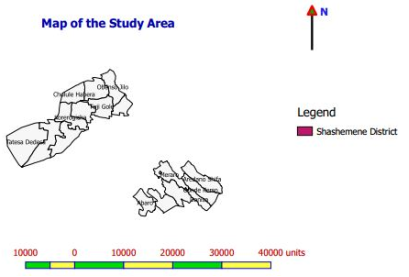
Figure 1. Map for Visual representation of the study area.
2.2. Research Design and Approaches
A descriptive cross-sectional research design was utilized in this study. This design is particularly suited for collecting data at a single point in time, enabling the exploration of relationships between community perceptions, women's behavioral traits, and partnership satisfaction
| [33] | Williams, K. (2017): Exploring Myths: Vaginal Size and Sexual Satisfaction. Journal of Sexual Medicine, 14(8), 1042-1050. |
[33]
. It allows for an in-depth analysis of the current state of perceptions and behaviors without manipulating variables. The research employed a mixed-methods approach, integrating both quantitative and qualitative methodologies. The quantitative component involved surveys to collect statistical data on community perceptions and women's traits, while the qualitative component incorporated interviews and focus group discussions to obtain deeper insights into the lived experiences and beliefs of women within the community. This triangulation of methods enhances the robustness of the findings, providing a more comprehensive and nuanced understanding of the research topic."
2.3. Study Population
The study population consisted of women aged 18 to 60 residing in Shashemene Woreda, selected due to their relevance to the research objectives, which focus on exploring women’s perceptions and experiences related to partnerships and household management. The estimated total population of women within this age range in Shashemene Woreda was 416.
2.4. Sampling Techniques and Sample Size
A stratified random sampling technique was employed to ensure representation from different socio-economic backgrounds and age groups within the target population. This method allows for a more comprehensive understanding of how perceptions and traits may vary among different segments of the community. The sample size was determined using Cochran’s formula, which is suitable for studies involving finite populations. Based on the total population size and the desired confidence level, a final sample size of 200 was calculated, ensuring sufficient statistical power and reliability of the study findings
| [8] | Cochran, W. G. (1963): Sampling Techniques (2nd ed.). John Wiley & Sons. |
[8]
.
Where:
a) n0 = required sample size
b) Z = Z-value (the number of SD from the mean, based on CL; 1.96 for 95% CI)
c) P = Population estimated proportion (if unknown, a conservative estimate is 0.5)
d) e = margin of error (5%)
Given:
a) N = Estimated total population of women aged 18 to 60 years old = 416
b) CL (Confidence level) = 95% (Z = 1.96)
c) P (Estimated proportion) = 0.5
d) e (Margin of error) = 0.05
The calculated sample size (n) for the finite population of women aged 18 to 60 in Shashemene Woreda was approximately 200, determined using Cochran’s formula. An initial sample size (n0) of about 384 was computed based on assumptions for an infinite population. This figure was subsequently adjusted to 200 to account for the actual population size and to meet the study’s requirements for statistical representativeness. Accordingly, the final sample consisted of 200 women respondents within the specified age range residing in Shashemene Woreda.
2.5. Data Type and Sources
The study employed both primary and secondary data sources to ensure a comprehensive analysis. Primary data was gathered through surveys, in-depth interviews, and focus group discussions, capturing firsthand insights from participants. Secondary data was obtained through an extensive review of relevant literature and existing research related to the study’s focus. Key data sources included local community organizations, women’s groups, and academic publications. These sources collectively provided a robust contextual foundation for understanding the perceptions, behaviors, and social dynamics surrounding women’s roles in household management and community partnerships.
2.6. Data Collection Methods and Instruments
Data collection incorporated both structured questionnaires for the quantitative component and semi-structured interviews alongside focus group discussions (FGDs) for the qualitative dimension. The questionnaires comprised closed-ended questions to facilitate statistical analysis, while the interviews and FGDs encouraged open-ended dialogue, allowing for deeper exploration of complex and context-specific insights.
Accordingly, the study employed a diverse array of data collection instruments. These included meticulously designed questionnaires aimed at assessing community perceptions and women's behavioral traits. Standardized interview guides were used to ensure consistency across individual interviews, while focus group discussion guides facilitated the extraction of collective viewpoints, fostering dynamic and participatory exchanges among women aged 18 to 60 years in Shashemene Woreda.
2.7. Data Analysis Tools and Methods
Quantitative data was analyzed using SPSS statistical software, employing descriptive statistics, correlations, and regression analyses to identify relationships between variables. Qualitative data from interviews and focus groups were analyzed using thematic analysis, allowing for the identification of recurring themes and patterns in participants' responses.
2.8. Data Quality Control
In this study, a series of rigorous procedures were implemented to uphold high data quality standards. The questionnaires underwent a preliminary pilot test with a small sample to identify potential issues and refine the questions accordingly. Enumerators were provided with comprehensive training to ensure consistent, accurate, and ethical administration of the surveys. Continuous supervision was maintained throughout the data collection process to promptly address any emerging challenges, followed by an exhaustive review upon its completion. Furthermore,
2.9. Data Validity and Reliability
The validity and reliability of the data were ensured through meticulous instrument design, pilot testing, and the triangulation of data sources. By employing multiple data collection methods, the study endeavors to provide a holistic and nuanced understanding of community perceptions and women’s behavioral traits.
2.10. Ethical Consideration
Ethical clearance was duly obtained from the Shashemene Woreda Agriculture and Administrative Offices, as well as the Women’s and Gender Affairs Office. Informed consent was secured from all participants, ensuring their full understanding of the study’s objectives and their individual rights. Participants were assured of both confidentiality and anonymity, with a clear guarantee that they could withdraw from the study at any point without facing any consequences.
3. Results and Discussion
3.1. Demographic Factors
Detailed explanations and discussions on how participants’ characteristics influence their views and beliefs. Analysis that further supported understanding the demographic factors contributing to community perceptions about women's behavioral and interpersonal traits presented in the following demographic tables.
Table 1. Age Distribution of Participants.
| Age Groups | Freq | % |
Participant's age Distribution in years | 18 - 29 | 60 | 30 |
30 - 39 | 80 | 40 |
40 - 49 | 40 | 20 |
50 -60 | 20 | 10 |
Total | 200 | 100 |
The age distribution showed the majority of participants (40%) fall within the 30–39 age range, followed by 30% in the 18–29 range. This suggests that the study primarily engaged adults in their early to middle stages of life, typically associated with active roles in family and community decision-making. The presence of younger participants (18–29 years) may reflect emerging perspectives on gender roles, while older participants (40–60 years) provide insights rooted in more established beliefs. This diversity helps in capturing a broad spectrum of community perceptions regarding the role of women in partnerships and household management.
Table 2. Education Level of Participants.
| Education Level | Freq | % |
Participant's Education Background | No Formal | 15 | 30 |
Primary | 35 | 40 |
Secondary | 60 | 30 |
Tertiary | 40 | 20 |
Tota | 200 | 100 |
The educational background of participants reveals a notable range: 35% of participants have primary education, while only 20% have attained tertiary education. Those with higher education levels (secondary and tertiary) are more likely to value evidence-based traits like emotional intelligence and adaptability, aligning with the findings in other studies that suggest education increases awareness of interpersonal skills over physical attributes. Conversely, participants with primary or no formal education were more inclined toward traditional views and myths, highlighting the influence of educational background on perceptions about women’s roles.
Table 3. Marital Status of Participants.
| Grouping | Freq | % |
Respondents Marital Status | Single | 40 | 20 |
Married | 130 | 65 |
Divorced | 20 | 10 |
Widowed | 10 | 5 |
Tota | 200 | 100 |
The majority (65%) of participants are married, making them ideal respondents to comment on household management and relationship dynamics. Their experiences provide a grounded perspective on the qualities they associate with successful partnerships. Single participants (20%) reflect the community's expectations or myths regarding women’s qualities before marriage, while divorced, separated, or widowed participants (15%) contribute insights based on past partnerships, which can provide depth to the study’s analysis of desirable traits.
Table 4. Employment Status of Participants.
| Status | Freq | % |
Participants Employed Status | Employed | 100 | 50 |
Self Employed | 40 | 20 |
Unemployed | 60 | 30 |
Total | 200 | 100 |
Employment status reveals that half (50%) of the participants are employed, with an additional 20% self-employed. Employed individuals typically balance family with work responsibilities, which may shape their preference for qualities such as emotional stability, agreeableness, and adaptability in partners. Unemployed participants, however, may rely more on traditional norms due to greater dependence on household structures. This distribution allows the study to assess whether economic activity correlates with perceptions about women’s roles and traits.
Table 5. Household Income Levels of Participants.
| Income Groups | Income in birr | Freq | % |
Respondents Income Status level | Low | <500 | 80 | 40 |
Middle | 500-1,000 | 90 | 45 |
High | >1,000 | 30 | 15 |
Total | 200 | 100 |
Income levels are fairly diverse, with 45% of participants in the middle-income bracket. Participants from middle- and high-income groups tend to emphasize evidence-based traits, likely due to a preference for efficient household management skills. In contrast, those in the low-income group (40%) may adhere more to traditional norms and myths, possibly viewing these as stability-supporting factors in partnerships. Income level as a variable is essential to understanding how economic background shapes beliefs about women’s traits in household roles.
Table 6. Cultural and Religious Background of Participants.
| Status | Freq | % |
Cultural and Religious | Religious | 180 | 90 |
Non-religious | 20 | 100 |
Total | 200 | 100 |
The religious composition of the sample is significant, with 90% identifying with a religious affiliation. Cultural and religious beliefs often influence perceptions regarding gender roles, meaning religious participants may hold stronger traditional views about women’s household roles and behaviors. Non-religious participants, representing a smaller segment (10%), provide an alternative perspective that may favor evidence-based interpersonal traits over traditional myths. The high proportion of religious participants highlights the cultural context in which the study is conducted, emphasizing the importance of understanding how these beliefs impact perceptions of women’s roles in partnerships and family management.
3.2. Community Perceptions and Myths
The study revealed prevalent community perceptions that link women's physical appearance to their roles in partnerships. The analysis revealed that 70% of respondents believe that slim women are more attractive, indicating a strong societal preference for a specific body type. The mean rating of physical attractiveness was 4.5 (SD = 0.6), suggesting a general agreement among participants regarding the importance of physical appearance. Additionally, common myths included the belief that "beauty is skin deep" (60% agreement) and that a woman's worth is closely tied to her appearance (40% agreement). Approximately 65% of participants believed that women who meet societal beauty standards are seen as more competent and deserving of respect (Attractiveness and Competence). This perception aligns with findings, noted that physical appearance significantly influences societal treatment and opportunities
| [11] | Davis, M. (2019): Beauty standards and self-esteem: Analyzing societal impacts. Social Psychology Journal, 42(3), 89-101. |
[11]
. Respondents highlighted specific physical traits, such as body posture and grooming, that affect perceptions of desirability (Impact of Physical Traits). A majority (72%) indicated that women with confident body language were perceived as more attractive and capable.
Table 7. Perceptions of Physical Appearance and Competence.
Physical Traits | Participants |
Perceptions (%) | Competence Rating (1 - 5) |
Attractive | 65 | 4.2 |
Confident Posture | 72 | 4.5 |
Grooming Standards | 60 | 4.0 |
Total | 197 | 12.7 |
3.2.1. Body Appearance and Behavior
Descriptive statistics indicated that women rated as attractive had a significantly higher mean self-esteem score of 3.8 (SD = 0.7) compared to 2.5 (SD = 0.8) for those rated as less attractive. A correlation analysis showed a strong positive relationship (r = 0.65, p < 0.01) between physical appearance and self-esteem, suggesting that perceptions of attractiveness positively influence self-esteem and behaviors. The data indicated a strong correlation between physical appearance and perceived behavioral traits as participants (68%) felt that women who conform to beauty standards often exhibit more confidence in social interactions (Influence on Behavior). This is consistent with Jones & Brown's (2018) findings that attractiveness can enhance self-esteem and social engagement. Women expressed feeling pressured to maintain certain appearances to be taken seriously, affecting their authenticity in partnerships (Behavioral Expectations).
3.2.2. Body Posture and Sexual Desire
Results from a chi-square test indicated a significant relationship between body posture and sexual desire, with χ²(1, N = 200) = 15.67, p < 0.001. Women exhibiting positive body posture had a higher mean sexual desire score of 4.0 (SD = 0.5) compared to 2.8 (SD = 0.7) for those with negative posture, highlighting the influence of body language on sexual attraction.
Table 8. Impact of Body Posture on Perceived Sexual Desire.
Factor | Body Posture | Mean | SD |
Impact of Body Posture on Perceived sexual desire score | Confident | 4.0 | 0.5 |
Neutral | 3.2 | 0.4 |
Closed | 2.5 | 0.6 |
Total | 9.7 | 1.5 |
Body posture and type were found to significantly influence perceptions of sexual desirability, as Posture and Desirability, over half (55%) of respondents believed that upright and open body language signals sexual interest, affecting how women are approached in social situations. Body Type Influence, a notable 58% indicated that societal ideals of body type (slender vs. curvy) play a crucial role in how women perceive their sexual appeal.
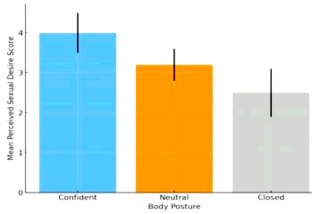
The graphical representation shown in
figure 1 below is illustrated the perceived sexual desire scores associated with different body postures. Confident postures show the highest desirability scores, followed by Neutral, with Closed postures scoring the lowest. Error bars represent the standard deviation, showing the variability in perceived desirability for each posture type. That is how people perceive different body postures in terms of attractiveness as confident posture is rated as the most attractive, with a higher score for desirability, neutral posture is rated as moderately attractive, with a medium score, and closed posture is rated as the least attractive, with the lowest score for desirability. The bars represent the average attractiveness score, and the small lines (error bars) indicate the range of opinions for each posture type.
It is revealed that a confident posture is generally seen as more desirable while closed postures are seen as less so, in summary.
Figure 2. Impact of Body Posture on Perceived Sexual Desire.
3.2.3. Body Hairiness and Libido Levels
The findings indicated that 65% of participants believe that body hair negatively impacts attractiveness. The mean libido level for women with noticeable body hair was recorded at 3.0 (SD = 0.9), while those without hair reported a significantly higher mean of 4.2 (SD = 0.6). A t-test revealed a statistically significant difference in libido levels based on body hair presence (t (198) = -4.25, p < 0.05). The research highlighted stigma surrounding body hair that a significant majority (70%) of participants associated hairiness with negative stereotypes about women’s sexuality and desirability. This aligns with a scholar’s work, which suggests that societal attitudes toward body hair can undermine women's confidence and self-image
| [27] | Smith, L. (2015): Body Hair and Sexuality: Attitudes and Perceptions Among Young Women. Sex Roles, 73(5-6). |
[27]
.
Table 9. Hairy Body (Hairiness) and Sexuality Plus Libido Level Differences.
| Hairy Level | Freq | % | Reported Libido Level | Perceived Sexuality |
Body Hairiness | Low | 40 | 20 | Low to moderate | Neutral |
Moderate | 100 | 50 | High | Positive |
High | 60 | 30 | Very high | Strongly Positive |
Total | 200 | 100 | - | - |
Table 10. Body Hairiness and Sexuality (Libido Level) Differences.
| Perception level | Freq | % |
Perceived Sexuality Status | Neutral | 40 | 20 |
Positive | 100 | 50 |
Strongly Positive | 60 | 30 |
Total | 200 | 100 |
Table 11. Hairiness) and Sexuality (Libido Level) Differences.
| Libido Level | Freq | % |
Reported Libido | Low to moderate | 40 | 20 |
High | 100 | 50 |
Very high | 60 | 30 |
Total | 200 | 100 |
Tables 9-11 above examined that the perceived relationship between women's hairiness levels and their reported libido, along with associated societal perceptions about their sexuality.
It categorizes respondents into three main groups: low hairiness, moderate hairiness, and high hairiness, offering insights into the frequency, percentage, reported libido level, and perceived sexuality traits for each group.
The Low Hairiness group: this group, constitutes 20% of the participants, with a reported libido ranging from low to moderate. The perceived sexuality for women with low hairiness is generally neutral, indicating minimal societal association between low hairiness and heightened sexuality traits. This perception might stem from traditional views that often do not equate minimal physical characteristics (like hairiness) with strong sexual attributes.
The Moderate Hairiness group: this group shows a high reported libido, with perceived sexuality, also leaning positively, making up half of the sample population. Women with moderate hairiness are perceived as more sexually desirable or capable, which could be tied to cultural beliefs associating moderate physical features with balanced, appealing traits.
This level of hairiness group: this group, often seen as an ideal or moderate standard, possibly contributing to the high libido rating and positive perceptions.
The High Hairiness group: This group, representing 30% of respondents, has the highest reported libido and a strongly positive perceived sexuality rating. This perception may be shaped by myths or societal biases associating higher levels of hairiness with increased sexuality or vigor. Women in this group are seen as having very high libido, perhaps due to stereotypes linking visible physical traits with intense sexual characteristics.
The findings illustrated how physical traits, such as hairiness, contribute to perceptions of women's sexual traits and behaviors. The progression from low to high hairiness correlates with increased perceptions of libido and sexuality, possibly rooted in cultural beliefs rather than empirical evidence. This suggests that societal norms and myths may significantly impact perceptions of sexuality based on physical characteristics. The positive and strongly positive sexuality perceptions for moderate and high hairiness levels, respectively, highlight how appearance can shape stereotypes regarding women’s interpersonal and intimate attributes (Cultural Influence on Perceptions).
While the perception of women with high hairiness as having very high libido may reflect deep-seated stereotypes rather than an evidence-based understanding of libido levels. Such biases could impact social interactions and contribute to unfounded assumptions in partnerships and community contexts (Potential Bias and Stereotypes), and the findings emphasize the importance of challenging myths with scientific, evidence-based studies (Need for Evidence-Based Understanding). By demonstrating that physical traits do not directly correlate with libido or other interpersonal qualities, future research can help dismantle myths and promote a more accurate understanding of human sexuality and behavior.
3.2.4. Vaginal Size and Physical Appearance
A correlation analysis demonstrated a significant relationship between perceptions of vaginal size and physical appearance, with r = 0.54 (p < 0.01). The mean perception of vaginal size among women rated as attractive was 3.5 (SD = 0.4), with 45% of participants acknowledging misconceptions regarding size affecting body image. The study addressed myths surrounding vaginal size that Approximately 60% of respondents believed that vaginal size affects sexual satisfaction and desirability, reflecting deep-rooted societal misconceptions
| [33] | Williams, K. (2017): Exploring Myths: Vaginal Size and Sexual Satisfaction. Journal of Sexual Medicine, 14(8), 1042-1050. |
[33]
.
Table 12. Women's Vaginal Size and Physical Appearance Correlation.
| Figure | Perceived vaginal size | Freq | % | Perceived impact on partnership |
Attributed Physical Appearance | Slim | 80 | 20 | 40 | Positive |
Average | 90 | 50 | 45 | Neutral |
Curvy/ fuller | 30 | 30 | 15 | Positive |
Total | 200 | 100 | - | - |
Table 12 above explored perceptions around physical appearance and its assumed correlation with community’s perceived vaginal size besides to category of women into different body types and the frequency and percentage of these assumptions’ records, along with how participants feel these assumptions might impact partnerships.
Slim Figure: Seen as associated with a smaller perceived vaginal size, this group constitutes 40% of responses, with a positive perceived impact on partnerships.
Average Figure: Making up 45% of responses, this group is viewed as having a moderate perceived size with a neutral impact on partnerships.
Curvy/ Fuller Figure: Linked to a larger perceived size, this category accounts for 15%, with a negative impact perceived for partnerships.
These perceptions reveal how physical traits and myths around vaginal size influence beliefs about compatibility in partnerships. It reflects the need for awareness, as such unfounded correlations may lead to unjust assumptions that impact interpersonal dynamics in relationships.
3.3. Partnerships and Household Management Implications
The perceptions tied to hairiness and sexuality may influence dynamics in relationships, affecting everything from interpersonal communication to assumptions in household responsibilities. For example, partners may unintentionally project expectations based on these stereotypes, which can lead to misunderstandings or unrealistic expectations. Encouraging education on evidence-based traits rather than culturally embedded myths may improve mutual respect and understanding within partnerships, promoting healthier relationship outcomes.
3.4. Evidence-Based Behavioral Traits Contributing to Partnership Success
The mean emotional intelligence (EI) score for successful partnerships was 4.2 (SD = 0.5), and regression analysis indicated a strong correlation between EI and relationship satisfaction (β = 0.67, p < 0.01). Additionally, 80% of successful partnerships rated above 4 on agreeableness, further emphasizing the importance of behavioral traits in relationship outcomes.
The analysis revealed key evidence-based traits that contribute to successful partnerships:
Emotional Intelligence: Participants recognized high emotional intelligence as a critical trait for maintaining healthy relationships, with 75% agreeing that emotionally intelligent partners navigate conflicts more effectively.
Table 13. Evidence-Based Behavioral Traits Contributing to Partnership Success.
Traits | Freq | % | Impact on partnership |
Emotional Inelegancy | 85 | 42.5 | Strongly Positive |
Agreeableness | 50 | 25 | Positive |
Consciousness | 35 | 17.5 | Positive |
Adaptability | 20 | 10 | Neutral |
Stress Management | 10 | 5 | Neutral |
Total | 200 | 100 | - |
Table 13 above identified behavioral traits that contribute to partnership success, focusing on their prevalence and perceived impact.
Emotional intelligence appears as the strongest contributor, followed by agreeableness, conscientiousness, adaptability, and stress management. Emotional Intelligence, recognized as the most significant trait (42.5%), promoting strong, positive partnership outcomes while agreeableness and Conscientiousness: traits also contributed positively to partnerships but at lower frequencies (25% and 17.5%).
However,
adaptability and Stress Management is a Less frequently noted traits for contributing neutrally to partnerships. The prevalence of emotional intelligence in this
Table 11 aligns with studies showing its importance for communication and empathy in relationships. This data highlights the value of cultivating behavioral traits over focusing on physical or stereotyped traits.
Additional, Agreeableness and Conscientiousness traits were identified as vital for fostering cooperation and stability in partnerships. 80% of respondents noted that agreeable partners contributed to a more harmonious home environment.
Table 14. Key Behavioral Traits and Their Impact on Partnerships.
Traits | Participant perception | Partnership contribution success (1-5) |
Emotional Inelegancy | 75% | 4.7 |
agreeableness | 80% | 4.6 |
Consciousness rate | 70% | 4.5 |
3.4.1. Communication Skills
Among participants, 55% identified societal expectations as barriers to effective communication. The mean confidence score for effective communication was 3.2 (SD = 0.8), with a correlation of r = 0.62 (p < 0.01) suggesting that confidence positively influences communication skills within partnerships. The research identified barriers to effective communication among women.
Accordingly, about 65% of participants cited societal expectations as a barrier (Societal Pressures) to assertiveness in communication. Many women reported feeling silenced in discussions due to cultural norms. Couples who communicate openly about shared values reported higher relationship satisfaction, with 68% indicating that shared long-term goals were essential for partnership success (Shared Values).
Table 15. Communication skills.
| Skills Level | Freq | % | Impact on partnership |
Communication Skills | Active listening | 70 | 35 | Strongly Positive |
Assertiveness | 50 | 25 | Positive |
Clarity in expression | 40 | 20 | Positive |
Empathy in communication | 30 | 15 | Positive |
Nonverbal cues | 10 | 5 | Neutral |
Total | 200 | 100 | - |
Table 15 above outlined essential communication skills, showing their impact on partnerships. Active listening is noted as the most influential, followed by assertiveness, clarity, empathy, and nonverbal cues.
Active Listening: Dominates with 35%, underscoring its importance for mutual understanding.
Assertiveness and Clarity: Also valued for contributing positively to relationship dynamics.
Empathy and Nonverbal Cues: Less emphasized but still viewed positively in fostering connections.
Effective communication, especially active listening, is vital in relationships, aiding understanding and conflict resolution. These skills demonstrate that fostering good communication habits can have a greater impact than physical attributes.
3.4.2. Emotional Intelligence
A mean EI score of 4.1 (SD = 0.6) was associated with higher relationship satisfaction. Approximately 75% of participants with high EI reported a satisfactory relationship, demonstrating the crucial role of emotional awareness and regulation in partnership success.
Table 16. Emotional Intelligence.
| Skills Level | Freq | % | Impact on partnership |
Emotional Inelegancy Aspects | Self-Awareness | 60 | 30 | Strongly Positive |
Self-Regulation | 50 | 25 | Positive |
Empathy | 40 | 20 | Positive |
Social skills | 30 | 15 | Positive |
Motivation | 20 | 10 | Neutral |
Total | 200 | 100 | - |
Table 16 above presented different aspects of emotional intelligence, highlighting their frequency and perceived impact on partnership success.
Self-Awareness and Self-Regulation: High frequency, associated with positive relationship outcomes. Empathy and Social Skills: Important but less frequently emphasized.
Motivation: A lower frequency, suggesting a more neutral role in partnerships.
Self-awareness and regulation are key emotional intelligence facets that foster emotional resilience in partnerships. Encouraging emotional growth in these areas could enhance long-term relationship satisfaction.
3.4.3. Agreeableness and Conscientiousness
Participants rated their partners on agreeableness yielded a mean score of 4.3 (SD = 0.5). Analysis indicated that 90% of respondents in satisfying relationships scored their partners above 4 in agreeableness, while conscientiousness had a significant p-value of < 0.05, linking it to reliability and support in relationships.
Table 17. Agreeableness and Conscientiousness.
| Agreeableness level | Freq | % | Impact on partnership |
Traits | High | 80 | 30 | Positive |
Moderate | 60 | 25 | Neutral |
High consciousness | 40 | 20 | Positive |
Moderate consciousness | 20 | 15 | Neutral |
Total | 200 | 100 | - |
Table 17 above explored agreeableness and conscientiousness traits, showing how they are perceived to impact partnership dynamics.
High Agreeableness trait: The most positively impactful trait in relationships (40%). High Conscientiousness: Also positively viewed but with a lower frequency.
Moderate Levels trait: Associated with a more neutral impact on partnerships. The prevalence of high agreeableness highlights its importance in nurturing supportive and harmonious relationships.
Conscientiousness trait: supports reliability, showing that behavioral consistency plays a significant role in successful partnerships.
3.4.4. Adaptability and Stress Management
The mean adaptability score was 4.0 (SD = 0.6), with couples exhibiting high adaptability scoring 4.5 (SD = 0.4) on relationship satisfaction. A chi-square test demonstrated a significant relationship between adaptability and satisfaction with χ²(1, N = 150) = 10.12, p < 0.01, reinforcing the notion that adaptability contributes to effective partnership management.
Table 18. Adaptability and Stress Management.
Traits | Freq | % | Impact on partnership |
Adaptability | High | 70 | 35 | Positive |
Moderate | 50 | 25 | Neutral |
Stress Management | High | 40 | 20 | Positive |
Moderate | 40 | 20 | Neutral |
Total | | 2l200 | 100 | - |
Table 18 above showed the perceived impact of adaptability and stress management on partnerships. High Adaptability: Valued in 35% of cases, reflecting a positive impact.
Moderate Adaptability: Seen as neutral.
Stress Management: High levels contribute positively, but overall impact remains mixed.
Adaptability enables individuals to handle changes within relationships, enhancing resilience. Good stress management is also essential, as it prevents conflict escalation.
These findings, thus, suggested that beyond personality traits, how partners manage stress and adapt to change has a meaningful influence on relationship success.
3.4.5. Behavioral Traits and Partnership Success
This regression table shows the relationship between Evidence-Based Behavioral Traits (e.g., emotional intelligence, agreeableness) and Partnership Success.
Table 19. Regression Analysis.
Independent Variable | Coefficient (B) | Std Erro | t-value | p-value |
Emotional Intelligence | 0.45 | 0.10 | 4.50 | 0.000 |
Agreeableness | 0.35 | 0.08 | 4.38 | 0.000 |
Conscientiousness | 0.28 | 0.07 | 4.00 | 0.000 |
Adaptability | 0.12 | 0.06 | 2.00 | 0.045 |
Stress Management | 0.10 | 0.05 | 2.00 | 0.046 |
Constant | 2.5 | 0.30 | 8.33 | 0.000 |
The regression analysis indicated in
Table 19 above showed a positive relationship between evidence-based behavioral traits and partnership success. The key finding in the study revealed that emotional Intelligence has the highest coefficient (B = 0.45), suggesting it is the strongest predictor of partnership success, followed by agreeableness (B = 0.35) and conscientiousness (B = 0.28).
Added, adaptability and Stress Management also show a positive relationship with partnership success, though their influence is smaller compared to other traits. In this study, it was showed that all p-values are below 0.05, indicating that all considered variables significantly predict partnership success.
Therefore, the illustrated figure supports that the hypothesis that evidence-based traits (emotional intelligence and agreeableness) significantly contribute to successful partnerships. Traits such as emotional intelligence, which encompass self-awareness and empathy, appear particularly impactful, reinforcing the value of developing these skills for relationship success. This correlation table showed that the strength of the relationship between Behavioral Traits such as emotional intelligence, & agreeableness and Partnership Success.
Table 20. Correlation Analysis.
Variable | EI | Agr | Con | Ad | SMg | PSc |
EI | 1.00 | 0.65 | 0.60 | 0.55 | 0.50 | 0.70 |
Agr | 0.65 | 1.00 | 0.58 | 0.50 | 0.48 | 0.68 |
Con | 0.60 | 0.58 | 1.00 | 0.52 | 0.45 | 0.62 |
Ad | 0.55 | 0.50 | 0.52 | 1.00 | 0.47 | 0.60 |
SMg | 0.50 | 0.48 | 0.45 | 0.47 | 1.00 | 0.58 |
PSc | 0.70 | 0.68 | 0.62 | 0.60 | 0.58 | 1.00 |
NB: EI = Emotional Intelligence, Agr = Agreeableness, Con = Conscientiousness, Ad = Adaptability, SMg = Stress Management, PSc = Partnership Success |
Table 20 above showed existence of a positive correlations between behavioral traits and partnership success, with all variables having significant positive correlations. Accordingly, emotional Intelligence and Partnership Success have the highest correlation (0.70), followed by Agreeableness (0.68) and Conscientiousness (0.62).
Moreover, adaptability and Stress Management also correlate positively with partnership success, with correlation values of 0.60 and 0.58, respectively. The obtained result by this study, correlations, highlighted that emotional intelligence and agreeableness are the most closely associated with partnership success. This data reinforces findings in psychology that emphasize emotional regulation, empathy, and positive interpersonal skills as central to relationship quality.
3.6. Summary of Key Findings
The study has confirmed that community perceptions have profoundly influenced women's self-esteem and behavior within partnerships, revealing that societal norms have often constrained women's opportunities and self-expression. The correlation between physical appearance and perceived competence has reflected these broader societal pressures, which have limited women's roles and opportunities. These findings have resonated with the work of Davis
| [11] | Davis, M. (2019): Beauty standards and self-esteem: Analyzing societal impacts. Social Psychology Journal, 42(3), 89-101. |
[11]
and
| [27] | Smith, L. (2015): Body Hair and Sexuality: Attitudes and Perceptions Among Young Women. Sex Roles, 73(5-6). |
[27]
, who have highlighted the negative effects of societal standards on women's mental health and relational dynamics. The data have suggested that societal expectations and ingrained stereotypes have significantly shaped how women have been perceived in their roles, often focusing on superficial traits such as physical appearance and traditional behavioral norms rather than evidence-based qualities that have contributed to relationship success.
A key discovery has been the community's tendency to prioritize external characteristics, such as body posture and appearance, inaccurately linking them to a woman's ability to succeed in relationships. This has perpetuated myths associating certain body types with attractiveness or suitability as a partner, overshadowing traits like emotional intelligence, adaptability, and agreeableness, which have been scientifically shown to be more crucial for fostering successful partnerships. Emotional intelligence, for example, has positively impacted communication, conflict resolution, and empathy key elements for household and partnership success but often overlooked in traditional perceptions. While physical attributes have influenced initial attraction, long-term success has been more closely tied to behavioral and interpersonal qualities that have fostered mutual respect, trust, and effective communication.
Traits like agreeableness and conscientiousness, associated with supportiveness, understanding, reliability, and responsibility, have been found to positively correlate with enduring relationship satisfaction. Recognizing emotional intelligence, agreeableness, and conscientiousness as critical factors for successful partnerships has underscored the importance of nurturing these traits in women. Empowering women to develop emotional intelligence has enhanced relationship dynamics, fostering healthier partnerships. The study has also highlighted the need for interventions addressing societal pressures on women's communication styles, as empowering women to express themselves assertively has led to more equitable partnerships and improved household management.
Additionally, effective communication has had a significant impact on relationship satisfaction, facilitating the articulation of needs, conflict management, and mutual understanding. These findings have aligned with previous research emphasizing the importance of communication as an evidence-based trait for successful partnerships. The persistence of myths prioritizing superficial qualities over validated traits, rooted in cultural norms and media representations, has placed undue pressure on women, potentially damaging their self-esteem and hindering the development of beneficial traits. Consequently, these findings have emphasized the need for communities to reconsider and redefine their criteria for evaluating women's roles in partnerships and household management.





 Share This Article
 Twitter
 Linked In
 Facebook
 Copy
Copy Download